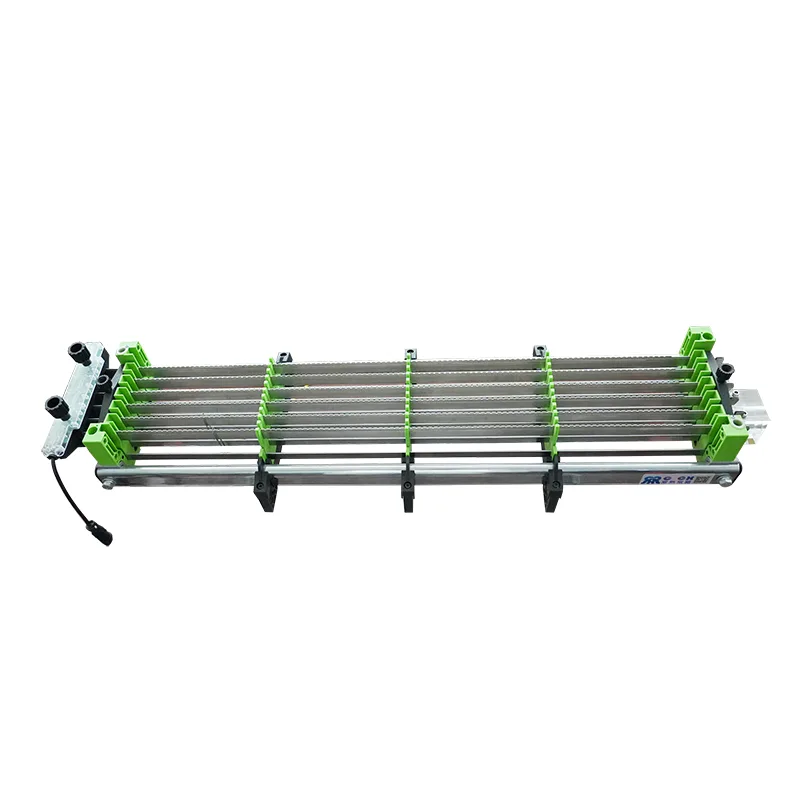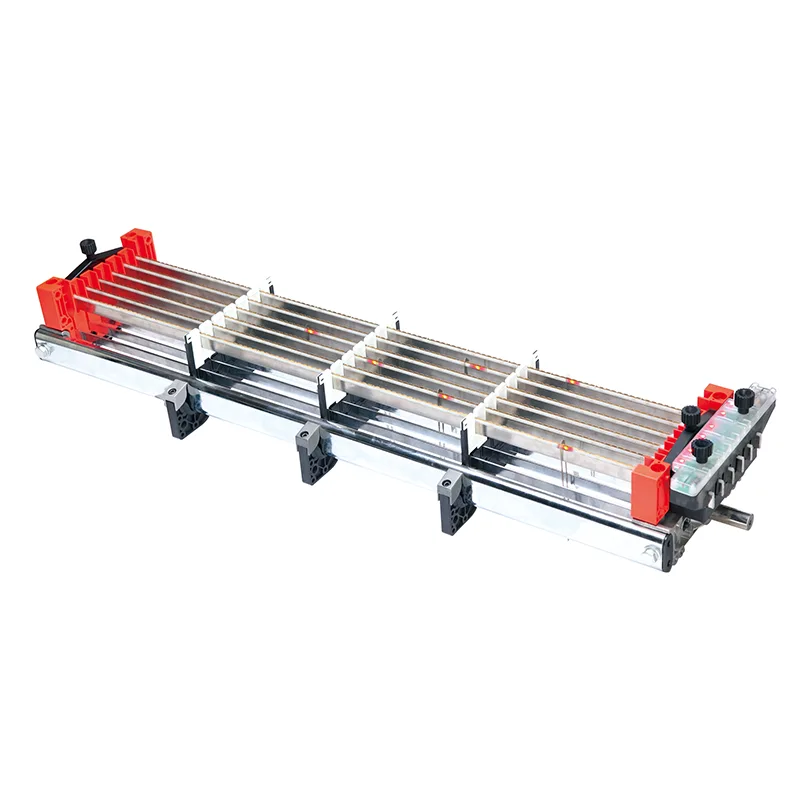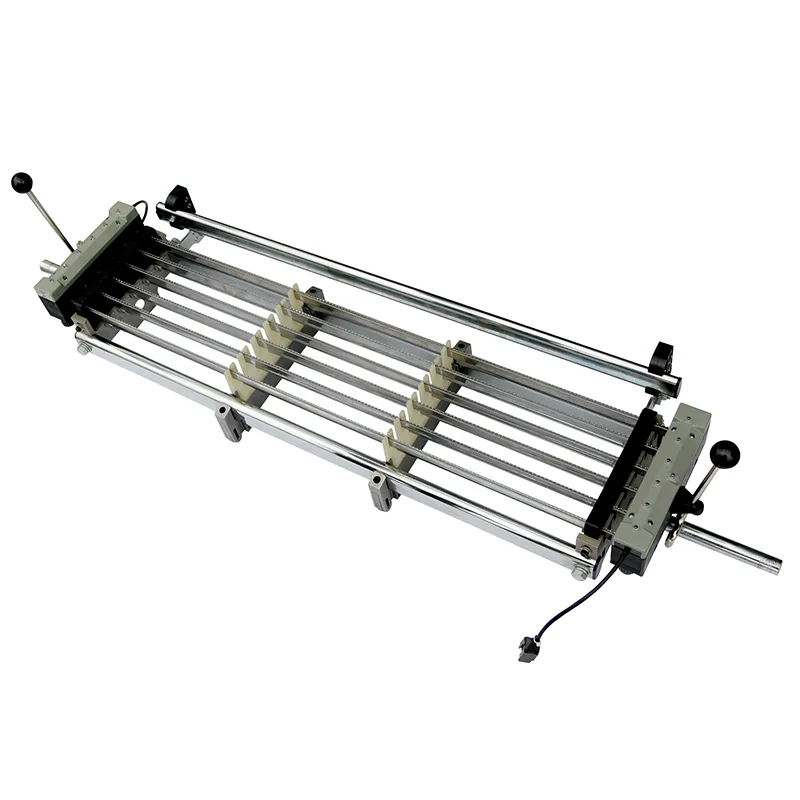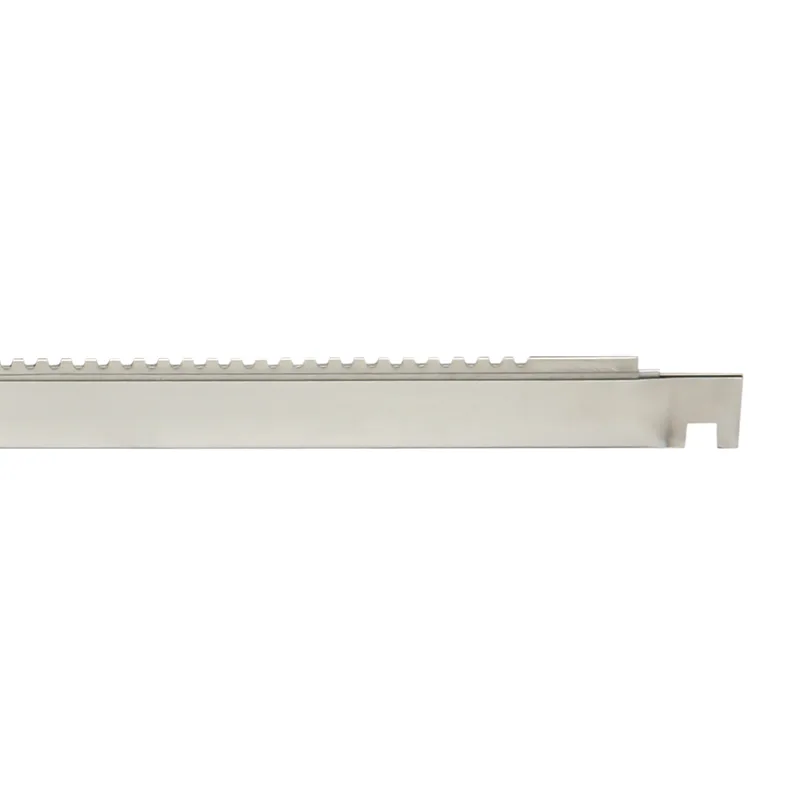
Warp Stop Boxes help mills detect warp issues early, stop the loom at the right moment, and keep operators focused on fixing the real cause instead of chasing repeated faults. In this article, I explain what Warp Stop Boxes do, where buyers usually struggle, how to judge a reliable solution, and why compatibility, environmental resistance, installation clarity, and service support matter far more than a low initial price. I also show how manufacturers such as Changshu Changxin Textile Equipment Co., Ltd. can support weaving factories that want more stable production without making the upgrade process complicated.
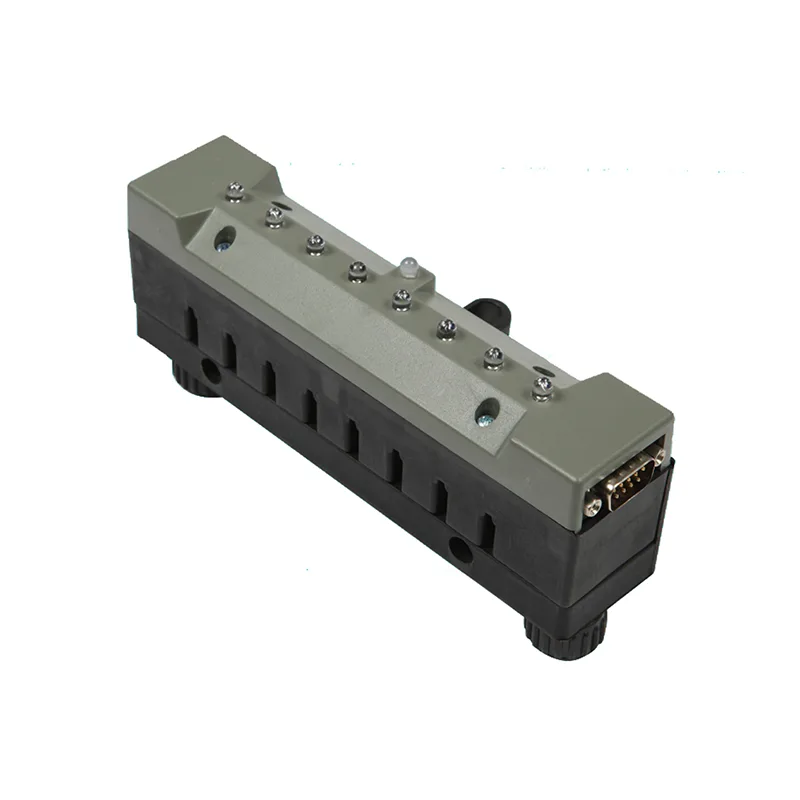
A weaving line does not become inefficient all at once. More often, the losses begin with tiny interruptions: a yarn condition that is not detected in time, a stop signal that comes too late, a mismatched component that never fits the loom as neatly as expected, or a workshop environment that slowly damages electrical reliability. When these small issues repeat through an entire shift, the result is familiar to every mill manager: more defects, more operator intervention, more fabric downgrades, and less confidence in delivery schedules.
That is exactly where Warp Stop Boxes earn their value. They serve as a practical control point in warp monitoring. Instead of waiting for a defect to show up in finished fabric, they help identify abnormal warp conditions during operation and trigger an appropriate stop response. In real production terms, that means less unnecessary running after a warp issue begins, less avoidable waste, and fewer hidden quality problems moving downstream.
Buyers sometimes think of these boxes as simple accessories, but that view is too narrow. In a modern shuttleless loom environment, they influence production continuity, machine compatibility, technician workload, and maintenance costs. A better box is not only a box. It is part of a more stable process.
Let’s be honest: most buyers are not searching for Warp Stop Boxes because they want another component on a quotation sheet. They are searching because something in production is already hurting them. The pain usually shows up in one or more of the following ways:
The deeper issue behind all of these is uncertainty. Production teams need to trust that the monitoring component will respond when it should, fit where it should, and keep working under workshop conditions. If they do not have that trust, every stop becomes a guessing game.
The purchase price of a component is easy to compare. The cost of fabric loss, repeated stops, technician time, delivery risk, and customer complaints is much harder to see on day one. That is why a “cheap” choice can become expensive very quickly in weaving production.
A well-designed Warp Stop Boxes solution helps by doing four things at the same time: detecting clearly, responding quickly, fitting properly, and lasting reliably. If even one of those is weak, the buyer starts paying elsewhere.
First, the detection function must be stable enough for real workshop conditions, not just for a clean product demonstration. The purpose is straightforward: identify warp abnormalities in time and send a stop signal before the issue spreads into greater waste. A box that reacts consistently gives operators a chance to act early rather than after defects pile up.
Second, the structure matters more than many people expect. Compact internal layout, clean wiring access, and logical debugging points make installation and maintenance simpler. This matters because textile factories do not want a product that only an experienced specialist can understand. They want a component that fits into daily operations without creating extra dependency.
Third, compatibility is not a side issue. It is one of the first questions a careful buyer should ask. If a supplier understands mainstream shuttleless loom requirements and can adapt dimensions or interfaces to different models, the factory avoids awkward modifications and unstable fitting. That is one reason buyers often prefer experienced specialists over general part traders.
Fourth, protection against dust and moisture has a direct effect on reliability. Workshops are full of fine particles, changing temperatures, and ongoing vibration. A box that cannot resist these conditions may pass inspection at delivery and still fail in actual operation. Good design needs to survive the real environment, not just the shipping box.
For this reason, buyers often look beyond the product photo and ask a more practical question: will this component help my team run smoother for months, not just install once on day one? That is the right question to ask.
If I were comparing suppliers for Warp Stop Boxes, I would not start with price. I would start with evidence of practical fit. Here is the checklist that actually helps:
This is where an experienced manufacturer can make a noticeable difference. Changshu Changxin Textile Equipment Co., Ltd. is known in this field for textile equipment related to shuttleless looms, and that kind of specialization matters because it usually means the supplier understands what happens before installation, during setup, and after long production cycles. Buyers do not need a vague promise. They need a partner who understands why a mismatch of dimensions, weak sealing, or poor signal stability can disrupt the entire weaving process.
| Buying Factor | Reliable Warp Stop Boxes Solution | Risky Low-Grade Alternative |
|---|---|---|
| Compatibility | Matches loom models accurately and reduces modification work | Loose fit or mismatched interfaces create repeated adjustment problems |
| Response to warp issues | Provides timely monitoring support and clearer stop logic | Slow or unstable signaling increases defect risk |
| Workshop durability | Better resistance to dust, moisture, and continuous use | Higher chance of fault caused by environmental exposure |
| Installation effort | Clear wiring and simpler commissioning reduce labor pressure | Confusing setup process wastes technician time |
| Long-term cost | Helps reduce downtime, waste, and maintenance interruptions | Lower upfront price but higher hidden operating loss |
| Supplier support | Responsive communication and practical technical understanding | Limited follow-up after shipment |
The difference is not only technical. It is operational. Reliable components support stable output. Weak components push uncertainty back onto the factory floor.
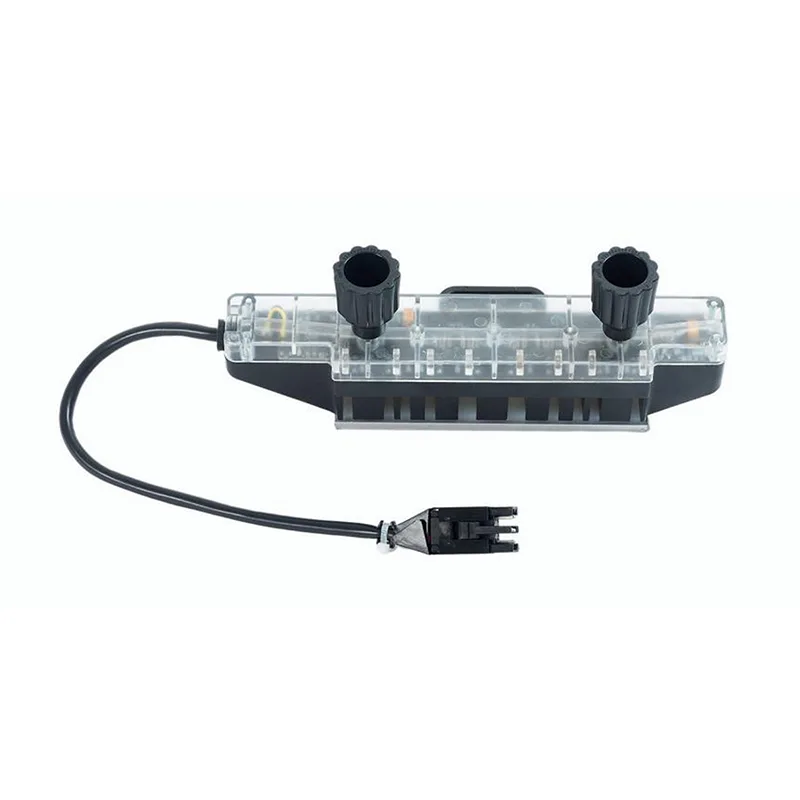
The value becomes especially clear in mills that operate multiple loom types, run long production hours, or handle quality-sensitive fabric orders. In those situations, even a small reduction in false stops, missed warp breaks, or setup delays can make a measurable difference over time.
Typical high-value use cases include:
In these cases, the best purchasing decision is usually the one that improves consistency rather than just ticking a specification box. A practical component that reduces uncertainty is often worth more than a long feature list that does not hold up in production.
1. Are Warp Stop Boxes only important for large textile mills?
No. Smaller weaving factories can feel the impact even more strongly because a single machine interruption or fabric defect may affect a larger share of total daily output. Stable monitoring supports both small and large operations.
2. What is the first thing I should confirm with a supplier?
Start with loom compatibility. If the box does not match your machine model and installation conditions correctly, every other advantage becomes less meaningful.
3. Can a Warp Stop Boxes upgrade really help reduce fabric defects?
Yes, because earlier and more reliable detection helps stop the loom before warp-related issues continue long enough to damage more fabric.
4. Why is environmental protection so important for this product?
Textile workshops often contain dust, vibration, and humidity. Without suitable protection, electrical reliability can decline and create avoidable stoppages.
5. Should I choose the lowest price if the specifications look similar?
Not automatically. You should compare fit, consistency, support, and expected service life. Two products may look similar on paper while performing very differently on the loom.
6. What makes an experienced supplier easier to work with?
An experienced supplier usually understands the practical side of weaving production: machine matching, setup details, workshop conditions, and the cost of delays. That understanding saves time during both buying and operation.
If your factory is dealing with unnecessary stops, recurring warp-related defects, difficult part replacement, or uncertain compatibility across different loom models, it may be time to move from temporary fixes to a more dependable solution. The right Warp Stop Boxes can help your team protect output, reduce avoidable waste, and make daily production easier to manage.
Changshu Changxin Textile Equipment Co., Ltd. is positioned to support weaving companies looking for practical, reliable components for shuttleless loom applications. If you are comparing options and want a solution that fits your machines, supports smoother installation, and helps your production line run with more confidence, contact us to discuss your requirements and find the right product configuration for your factory.
Tell us your loom model, operating conditions, and production goals, and let’s identify the Warp Stop Boxes configuration that helps you reduce downtime, protect fabric quality, and simplify maintenance. Contact us today and move one step closer to steadier, cleaner, and more efficient weaving performance.
Contact Us