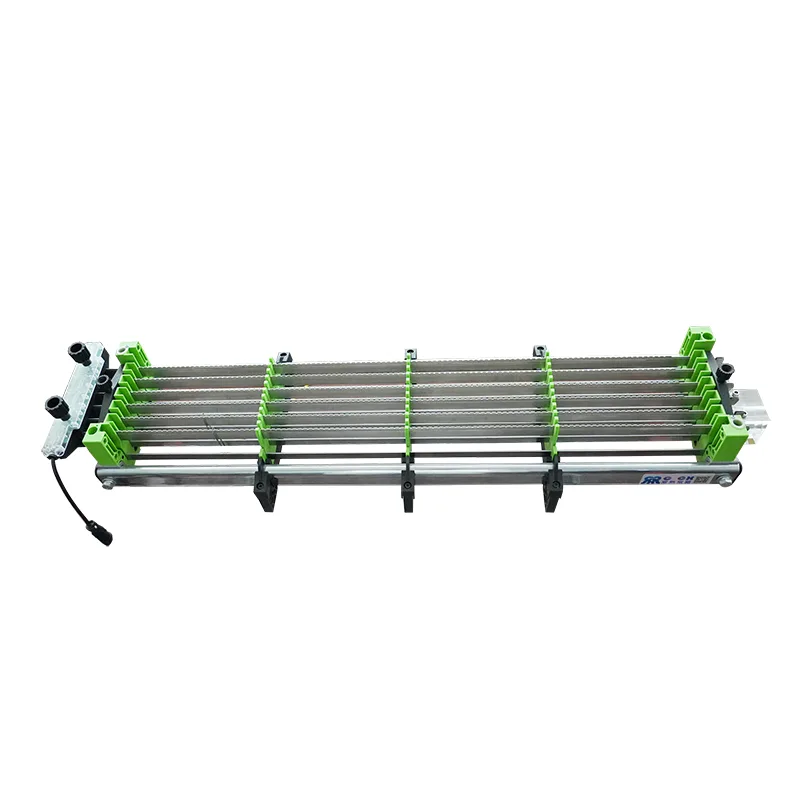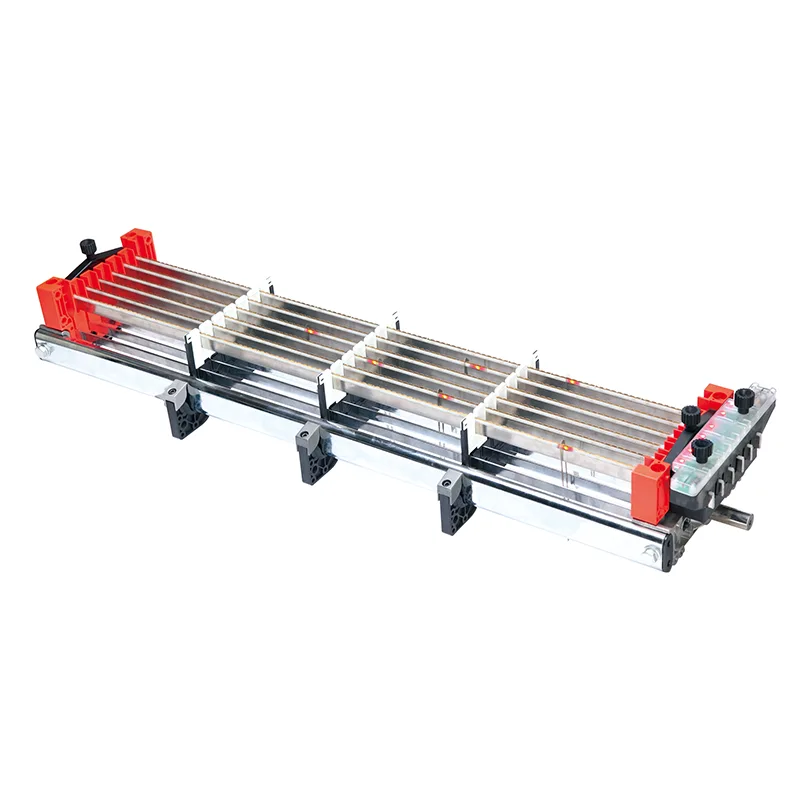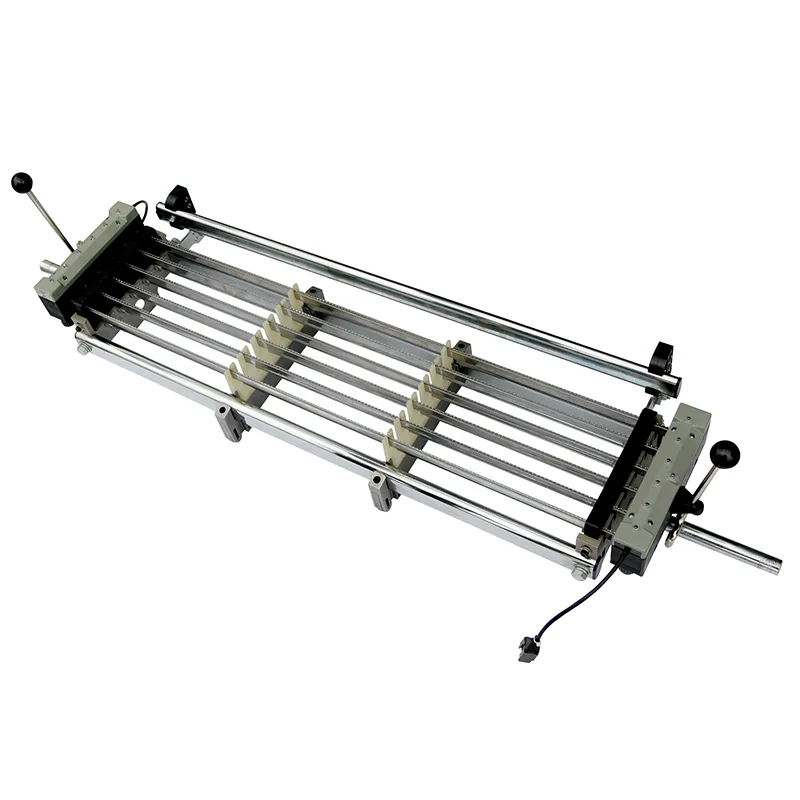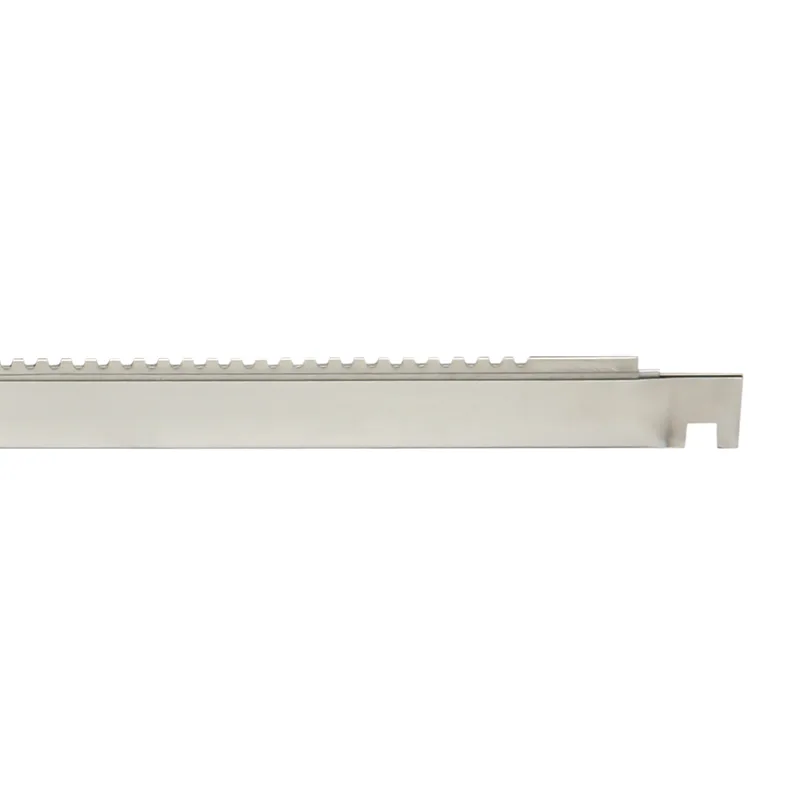
Tilting Warp Stop Motion is a key functional component in textile weaving machinery, mainly used to quickly detect warp breakage and stop the loom in a timely manner, so as to avoid fabric defects caused by broken warp yarns and ensure the stability of weaving production and the quality of finished fabrics. During the actual use of Tilting Warp Stop Motion, strict compliance with operating specifications and precautions is crucial to give full play to its performance, extend its service life, and ensure the safety and efficiency of the production process. The following is a detailed elaboration of the key precautions in all links of its use.
Pre-use Installation and Commissioning Precautions
Before the official use of Tilting Warp Stop Motion, standardized installation and commissioning are the prerequisites for its normal operation. First, the installation position must be strictly in accordance with the equipment design drawings and technical requirements. It should be fixed firmly on the designated position of the loom, ensuring that the tilting mechanism is horizontally and vertically aligned, without offset or inclination, otherwise it will lead to insensitive detection of warp breakage and failure of timely stop. Second, when connecting with the loom control system and transmission parts, the wiring and mechanical connection should be firm and reliable, avoiding loose contacts or poor transmission, which will cause the stop signal to be delayed or invalid.
In the commissioning process, it is necessary to conduct a no-load test run first to check the flexibility of the tilting action of Tilting Warp Stop Motion, ensuring that there is no jamming, lag or abnormal noise. At the same time, adjust the sensitivity parameters according to the type, thickness and tension of warp yarns. If the sensitivity is too high, it will cause false stops due to slight yarn slack; if it is too low, it will fail to detect broken warp yarns in time, resulting in a large number of fabric defects. In addition, check the matching degree between the component and the warp yarn arrangement, ensure that each warp yarn can correctly contact the detection part of Tilting Warp Stop Motion, and avoid yarn skipping or missing detection.
Daily Operation Precautions
In the daily weaving production process, standardized operation is the core to ensure the stable operation of Tilting Warp Stop Motion. Operators must be familiar with the working principle and operating procedures of the component, and strictly abide by the operating specifications. First, during the loom operation, it is forbidden to touch the moving parts of Tilting Warp Stop Motion with hands or tools to prevent mechanical injuries and avoid affecting the normal tilting action of the component.
Second, pay close attention to the working state of Tilting Warp Stop Motion in real time. If abnormal phenomena such as failure to stop in case of warp breakage, frequent false stops, and unsmooth tilting action are found, the loom should be stopped immediately for inspection, and the operation can be resumed only after the fault is eliminated. When handling broken warp yarns, the operator should ensure that the loom is completely stopped, and after repairing the yarn, reset the Tilting Warp Stop Motion to the normal working state in accordance with the specified steps, and do not start the machine forcibly without resetting, so as not to damage the component and affect the subsequent detection effect.
In addition, according to the production speed and yarn characteristics of the loom, reasonably control the operating load of Tilting Warp Stop Motion. Do not operate the equipment under over-speed or over-load for a long time, so as to avoid accelerated wear of internal parts and reduction of detection accuracy. For different types of fabrics and yarns, adjust the working parameters of Tilting Warp Stop Motion in a timely manner to adapt to the production needs and ensure the consistency of detection effect.
Regular Maintenance and Upkeep Precautions
Regular maintenance and upkeep are essential to extend the service life of Tilting Warp Stop Motion and maintain its good performance. First, develop a regular cleaning plan, clean the dust, lint, yarn debris and other impurities attached to the surface and internal parts of Tilting Warp Stop Motion every day or after each production batch. Impurities accumulation will block the tilting mechanism, affect the flexibility of movement, and even lead to detection failure. Use a soft brush or compressed air for cleaning, and avoid using hard tools to scratch the surface of the component.
Second, conduct regular lubrication and maintenance on the rotating and movable parts of Tilting Warp Stop Motion. Select special lubricating oil suitable for textile machinery, apply an appropriate amount of lubricating oil according to the specified cycle to reduce mechanical wear, prevent rust and corrosion, and ensure the smooth tilting action. Pay attention to control the amount of lubricating oil, avoid excessive lubrication causing oil pollution to warp yarns and fabrics.
Third, regularly check the wear degree of key parts of Tilting Warp Stop Motion, such as detection probes, tilting springs, connecting shafts and fixed brackets. If parts are found to be worn, deformed, loose or damaged, replace or repair them in a timely manner, and use original accessories for replacement to ensure the matching and stability of the component. At the same time, check the tightness of the connection between the component and the loom regularly, and tighten the loose screws and fasteners in time to prevent the component from shifting during operation.
Fault Handling and Troubleshooting Precautions
When Tilting Warp Stop Motion fails, scientific and standardized fault handling can reduce the impact on production and avoid secondary damage to the component. First, when a fault occurs, the operator should first cut off the power supply of the relevant part of the loom to ensure safety, and then conduct a preliminary inspection of the fault phenomenon, such as checking whether the power supply is normal, whether the wiring is loose, whether the mechanism is jammed, and whether there is accumulated impurities.
For common faults such as insensitive detection, false stops and failure to tilt, refer to the equipment manual for targeted troubleshooting. Do not disassemble the internal structure of Tilting Warp Stop Motion without professional guidance, so as not to damage the precision parts and affect the normal use of the component. If the fault cannot be solved by simple adjustment and cleaning, professional maintenance personnel should be contacted in time, and the fault should be recorded in detail, including the fault phenomenon, occurrence time and handling process, to provide a reference for subsequent maintenance and fault prevention.
Safety Operation Precautions
Safety operation runs through the whole process of using Tilting Warp Stop Motion. First, all operators must receive professional training and pass the assessment before taking up their posts, and be familiar with the safety operation procedures and potential safety hazards of the component. Second, during the operation and maintenance of the equipment, standard labor protection supplies should be worn to avoid personal injury caused by contact with moving parts or electric shock.
In the process of equipment maintenance and part replacement, it is necessary to ensure that the loom is in a complete stop state and the power supply is cut off, and it is strictly forbidden to carry out maintenance operations with power on or with the machine running. In addition, set up obvious safety warning signs near the working area of Tilting Warp Stop Motion to prevent non-operators from approaching and touching the equipment by mistake. For the faulty component that cannot be used temporarily, isolate it in time and mark it to avoid misoperation.
In conclusion, Tilting Warp Stop Motion plays an irreplaceable role in textile weaving production. Only by strictly abiding by the precautions in installation, operation, maintenance, fault handling and safety management can we ensure its efficient, stable and safe operation, give full play to its function of detecting warp breakage and stopping the loom in time, improve the quality of woven fabrics, reduce production faults and maintenance costs, and provide a strong guarantee for the smooth progress of textile production.