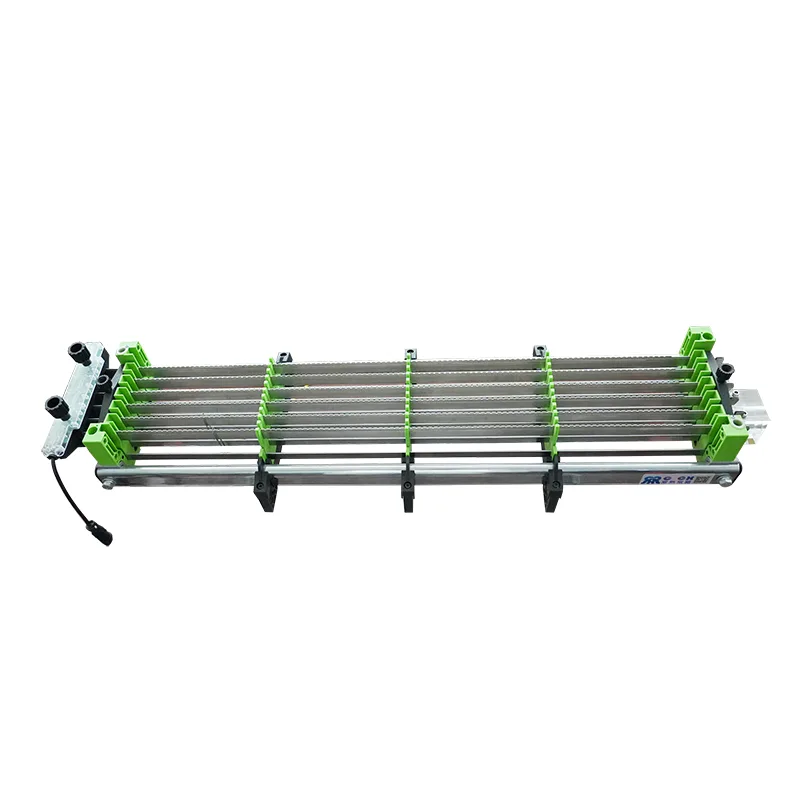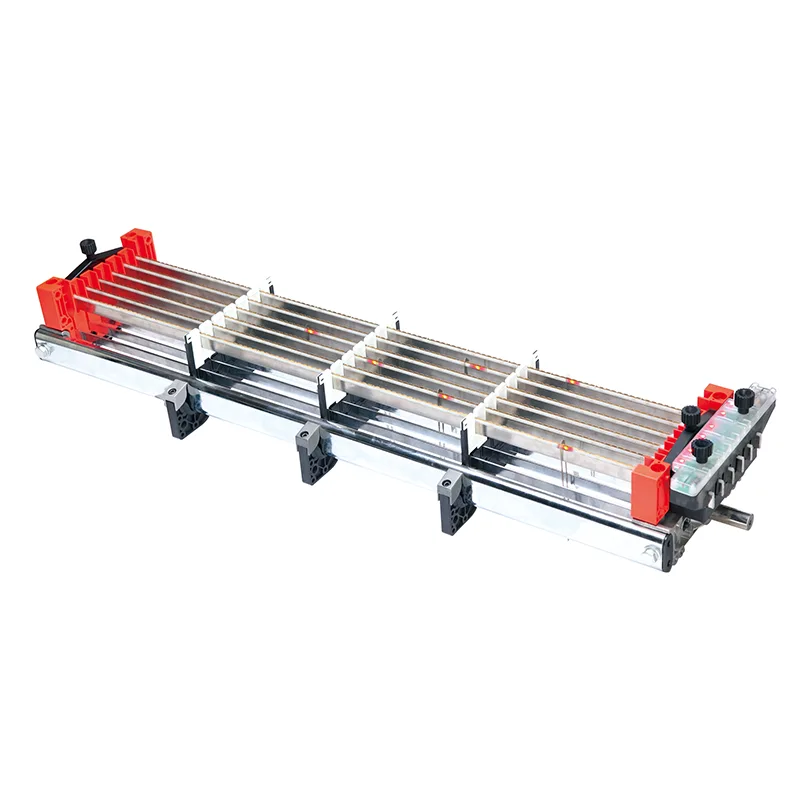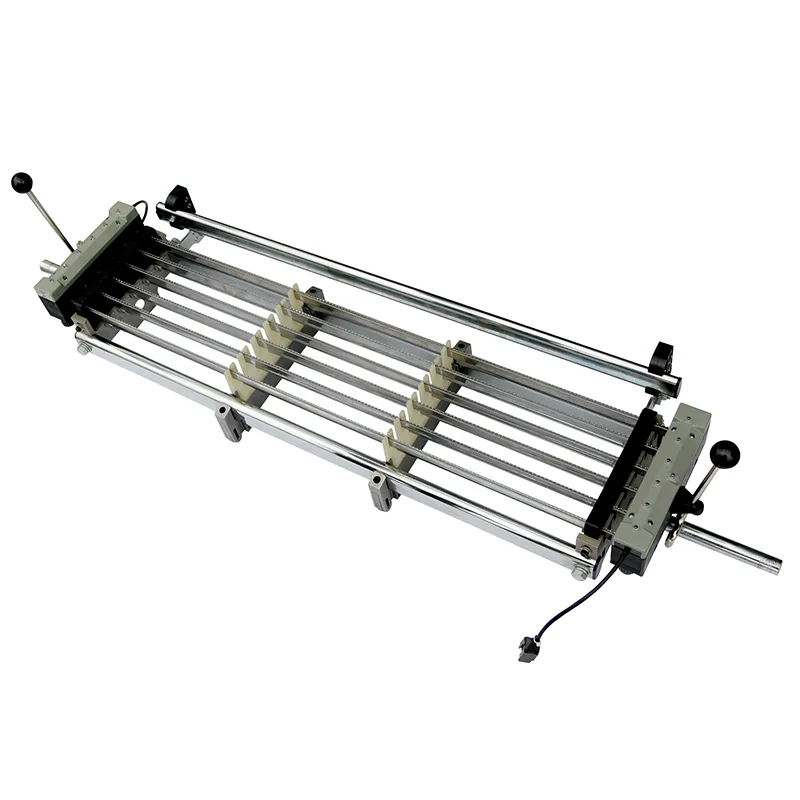
High-speed air-jet looms are widely applied in modern textile weaving production, featuring stable running status and high weaving efficiency. During continuous operation, warp yarn breakage is an inevitable occasional issue. Traditional warp stop structures only send out shutdown signals after yarn breakage occurs. Affected by spindle inertia, the loom will keep running for a certain distance before complete static state. Delayed parking response leads to continuous weft insertion after warp breakage, forming long defective sections on the fabric surface and increasing fabric loss and subsequent finishing workload. The Air-Jet Loom Warp Stop Motion With Break Parking optimizes the induction and braking linkage logic, effectively shortening the overall stop response time and solving the inertia operation problem of traditional looms after warp breakage.
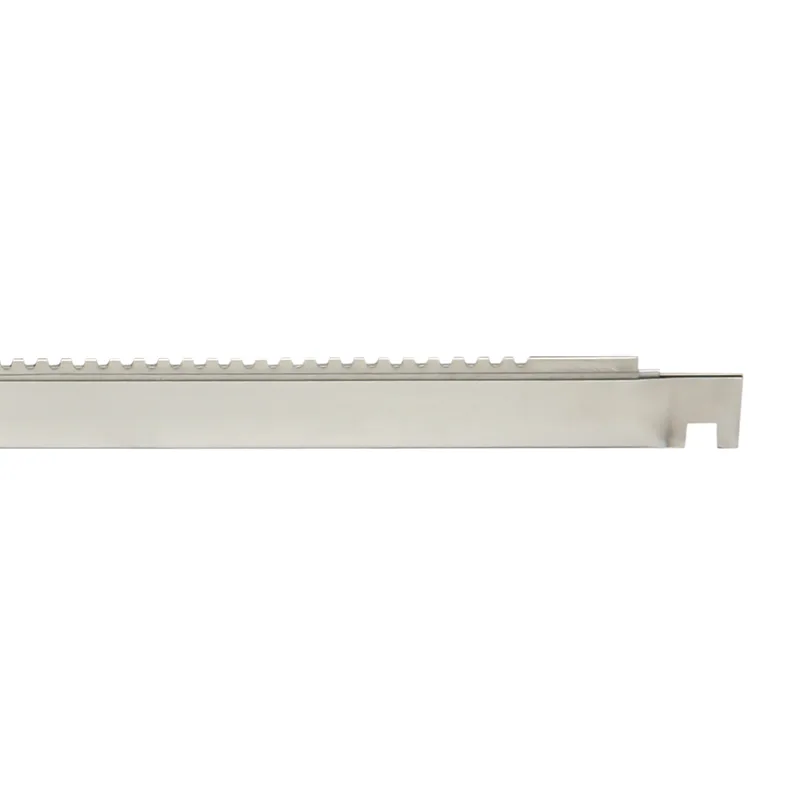
This integrated device combines warp stop detection and brake parking structure into one linkage system. Under normal weaving conditions, the drop wires stay suspended under the tension of warp yarns to maintain a stable circuit state. Once individual or multiple warp yarns break, the drop wires fall rapidly by gravity to trigger the induction signal. Different from ordinary single signal output structures, the device synchronizes signal transmission and brake execution without intermediate delay, realizing rapid response to warp breakage faults.
The optimized sensing and control structure reduces invalid response intervals. Traditional stop mechanisms are prone to signal lag or insensitive induction due to flying flocs and accumulated lint in the weaving environment. The upgraded structural gap design avoids jamming of drop wires, ensuring free vertical movement of induction components. It maintains stable signal triggering sensitivity in long-term continuous production and prevents missing detection or delayed detection caused by component stagnation.
The matched brake parking mechanism can offset spindle inertia in a short time. After receiving the warp break signal, the brake component acts instantly to limit the continuous rotation of the main shaft, controlling the loom’s sliding stroke within a small range. It avoids the formation of extended warp missing defects caused by inertial operation, effectively reducing the defect area of grey fabric. This performance improvement is obvious for high-density fabrics and fine textile materials with strict surface quality requirements.
The device adapts to diversified weaving production scenarios. It fits the weaving demands of cotton yarn, chemical fiber, blended yarn and other conventional materials, and can match different loom operating speeds. The overall structure is compact and convenient for field assembly and commissioning, suitable for new loom configuration and old equipment renovation and upgrading of textile factories. It maintains stable linkage performance under long-cycle operation and frequent start-stop working conditions.
With the continuous upgrading of textile production standards, fabric surface quality control becomes increasingly strict, and traditional lagging parking modes can no longer adapt to refined weaving production. By optimizing induction response and braking linkage, the Air-Jet Loom Warp Stop Motion With Break Parking reduces weaving defects caused by delayed parking, creating reliable auxiliary conditions for stable and standardized textile production.