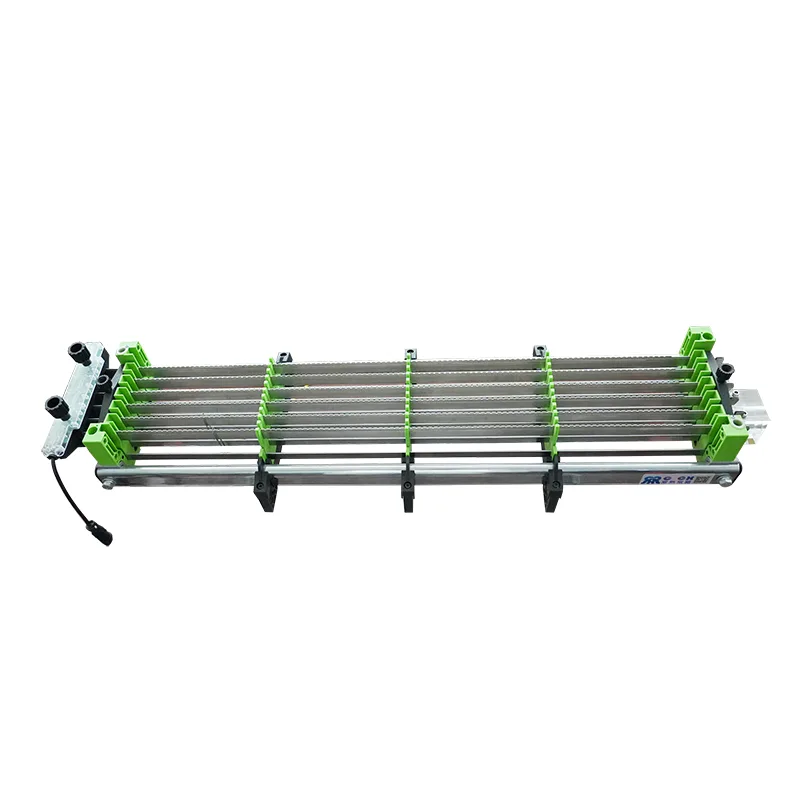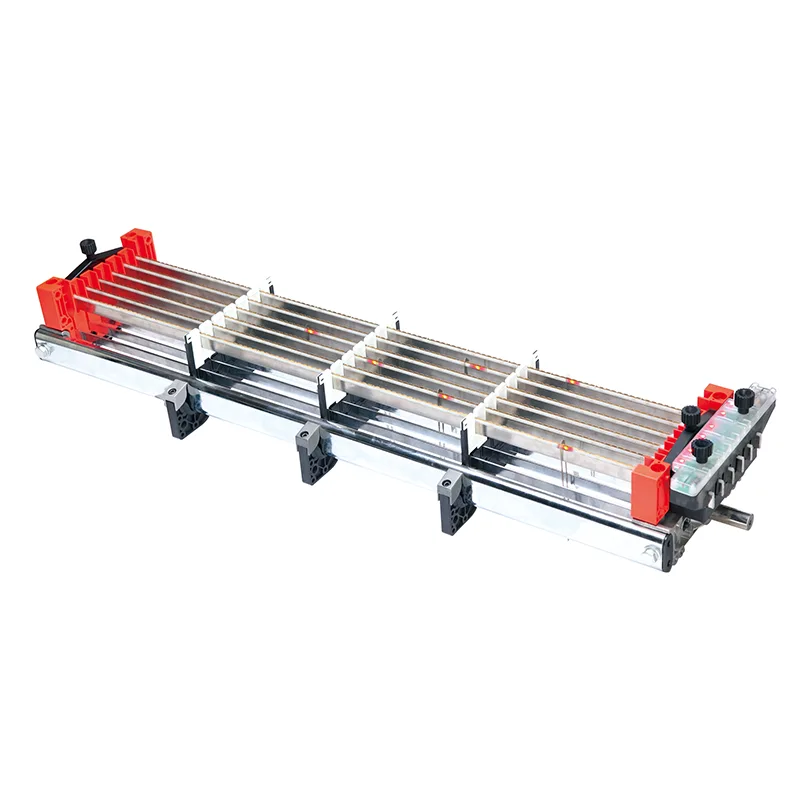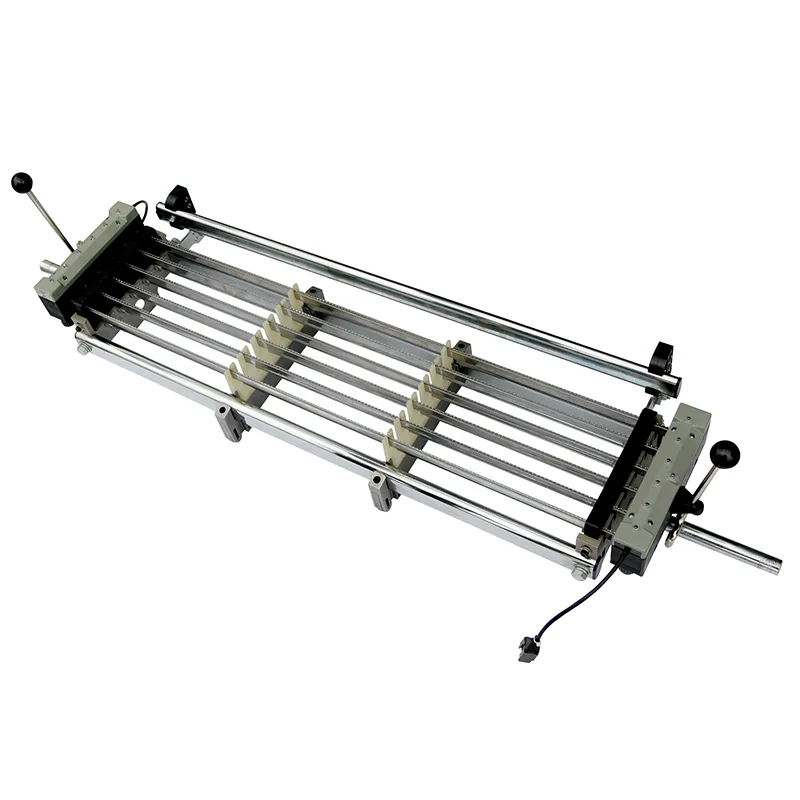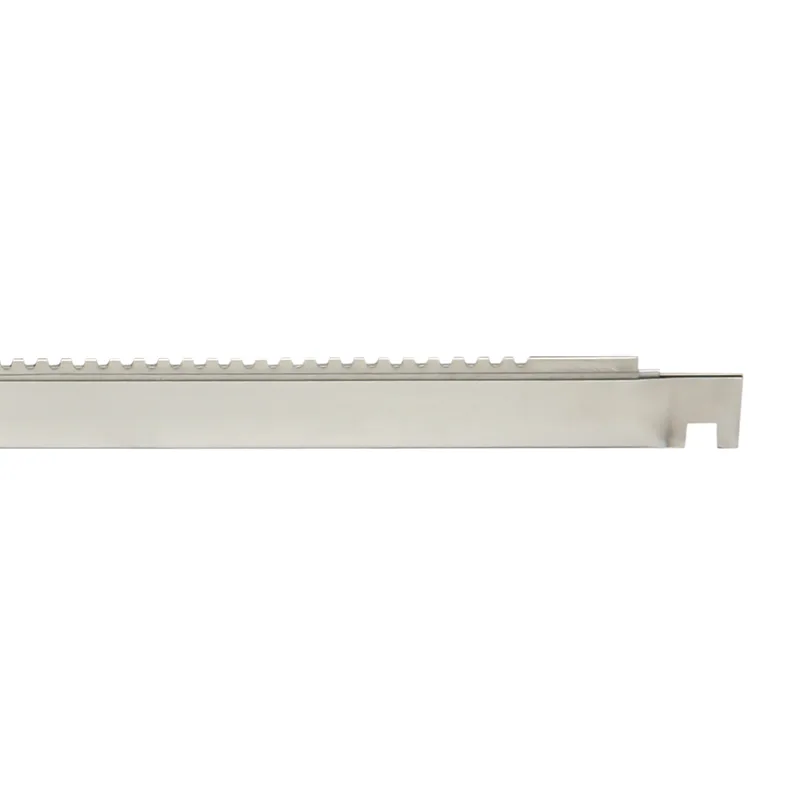
In modern textile weaving workshops, warp yarn bearing and stable tension control constitute the core guarantee for continuous loom operation. Different types of warp yarns, including cotton yarn, chemical fiber yarn, blended yarn and thickened special yarn, present distinct bearing pressure and tension characteristics during high-speed weaving. Traditional support parts suffer from structural shaking and insufficient bearing adaptability when facing diversified warp yarn types, which interfere with the normal detection of warp stop motion and affect workshop weaving progress. Aluminum Middle Support of Warp Stop Motion For Textile Machinery is manufactured with standardized aluminum alloy structure, featuring stable structural rigidity and moderate overall weight. It can fit the assembly structure of mainstream jet, water jet and rapier looms, providing stable intermediate support for warp stop motion components and laying a foundation for adapting to various warp yarn bearing environments in actual production.
This aluminum support component can adapt to the bearing demands of fine and thin warp yarn weaving scenarios. Thin yarns such as high-count cotton yarn and fine chemical fiber yarn require uniform tension balance during operation, and subtle structural vibration of loom parts may cause yarn deviation or abnormal stop. The Aluminum Middle Support of Warp Stop Motion For Textile Machinery maintains stable structural fit during high-speed loom operation, reducing component shaking and position offset. It shares and disperses the dynamic pressure generated by warp yarn operation, keeping the warp stop motion detection assembly in a fixed running posture. This structural stability meets the low-load and high-precision bearing needs of thin warp yarn weaving, avoiding frequent loom shutdown caused by unstable yarn tension.
The component also fits the heavy-load bearing demands of thick yarn and dense warp weaving scenes. Thick yarn, core-spun yarn and multi-strand combined warp yarn will generate continuous large tension and alternating load during weaving, which brings high bearing requirements to intermediate support parts. The aluminum alloy material structure resists deformation under long-term dynamic load and maintains stable supporting performance in long-hour and multi-shift continuous production. It can bear the strong pulling force of dense warp yarn groups, ensure the synchronous operation of warp stop motion and loom equipment, and adapt to the production rhythm of heavy-duty fabric weaving. In addition, the material characteristics of aluminum alloy resist moisture and flying fiber erosion in textile workshops, maintain long-term structural stability, and continuously match the diversified warp bearing demands of different textile production lines.