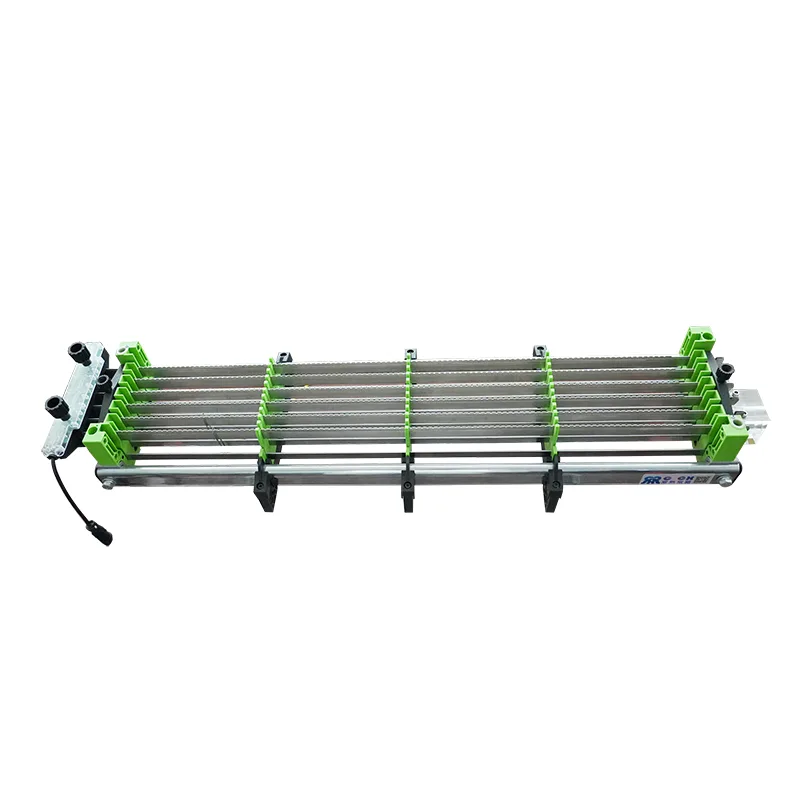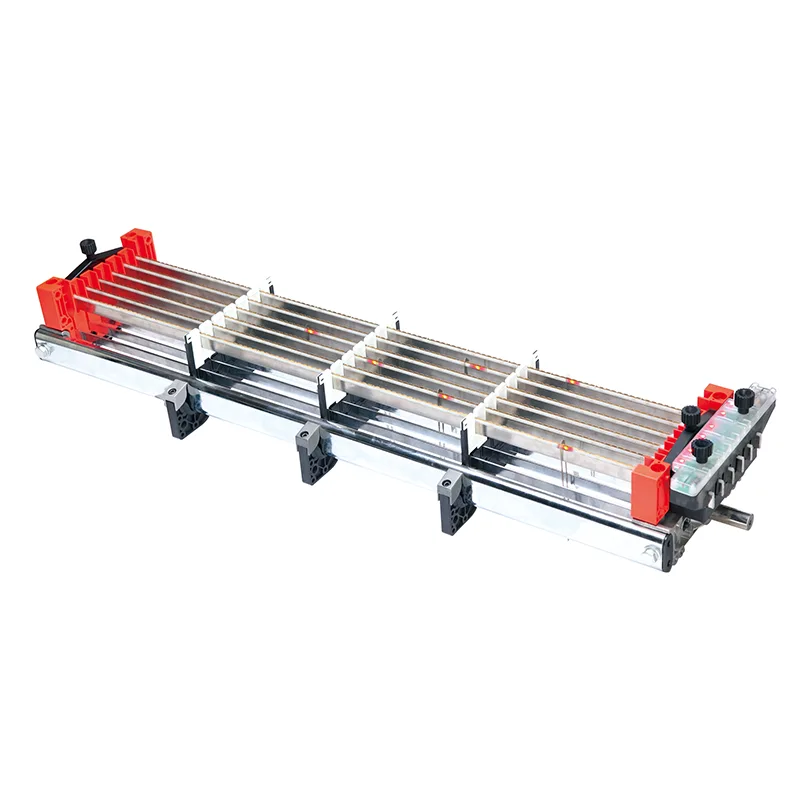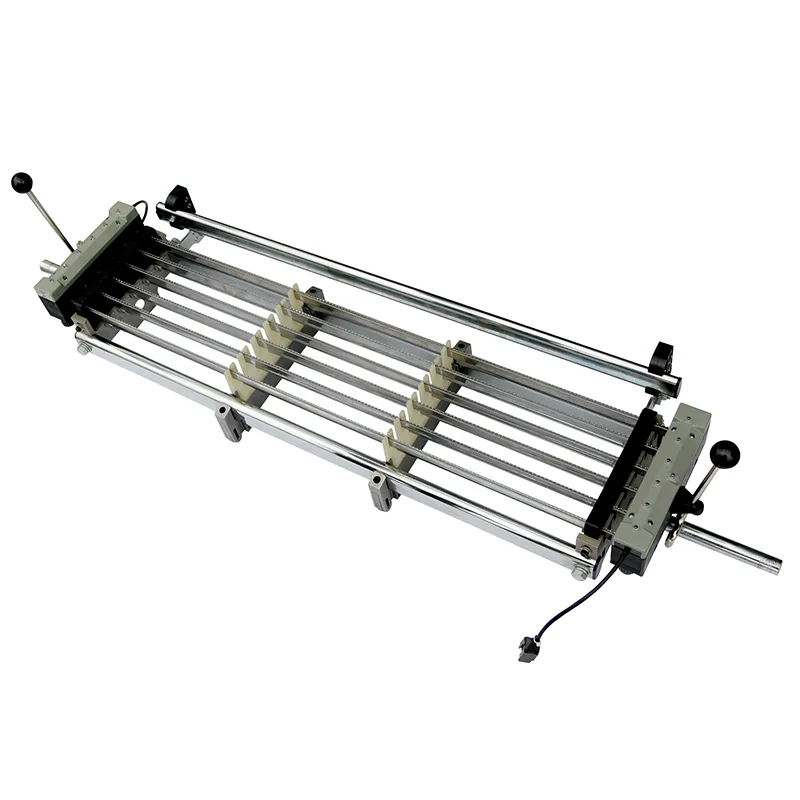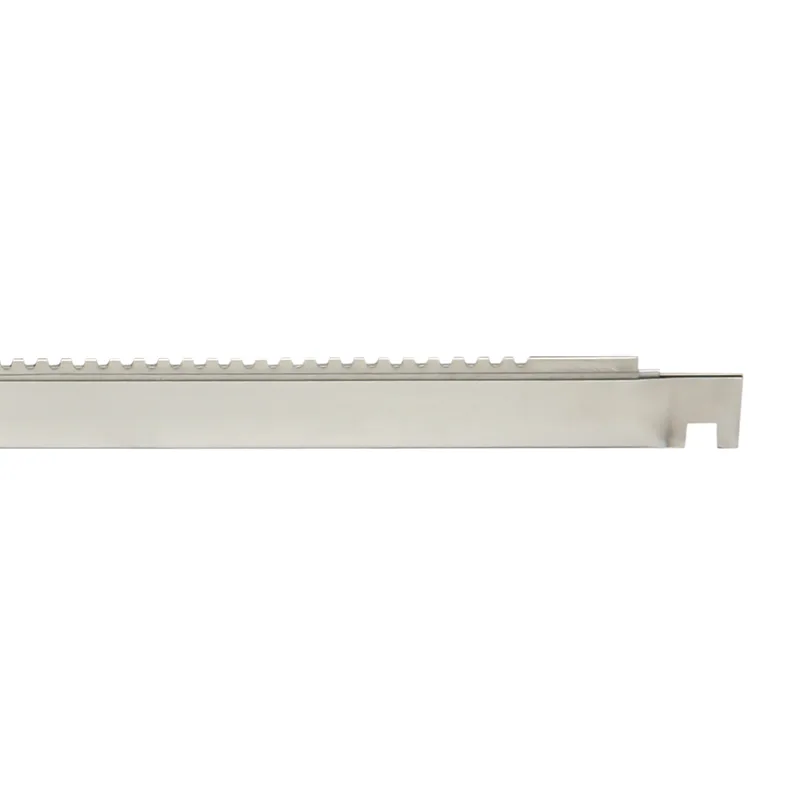
In modern weaving, small components often decide whether production stays smooth or turns into a cycle of yarn tangles, uneven tension, fabric defects, and repeated downtime. A Stainless Steel Divider Strip may look simple, but its role inside the warp system is far from minor. It helps organize warp yarns, reduce friction, improve running stability, and support better fabric consistency across different weaving conditions.
For mills and machinery users, the real question is not whether a divider strip exists, but whether it performs reliably under daily pressure. Poorly finished parts can scratch yarns, deform under load, or fail to match the machine layout. A well-made strip, on the other hand, can reduce unnecessary stoppages and make warp separation more predictable. That is exactly why many buyers pay closer attention to material strength, tooth accuracy, dimensional consistency, and long-term durability before placing an order.
In this article, I will explain what a Stainless Steel Divider Strip actually does, why its design matters so much in real production, what problems buyers usually face, and how to choose a solution that fits both the machine and the fabric being produced. I will also introduce how Changshu Changxin Textile Equipment Co., Ltd. approaches this component from a practical manufacturing perspective.
This article explores how a Stainless Steel Divider Strip supports warp separation, reduces yarn interference, and improves weaving consistency. I look at the most common buyer concerns, compare material and performance factors, explain installation and maintenance considerations, and show how the right product choice can lower operating trouble while improving fabric quality and equipment efficiency.
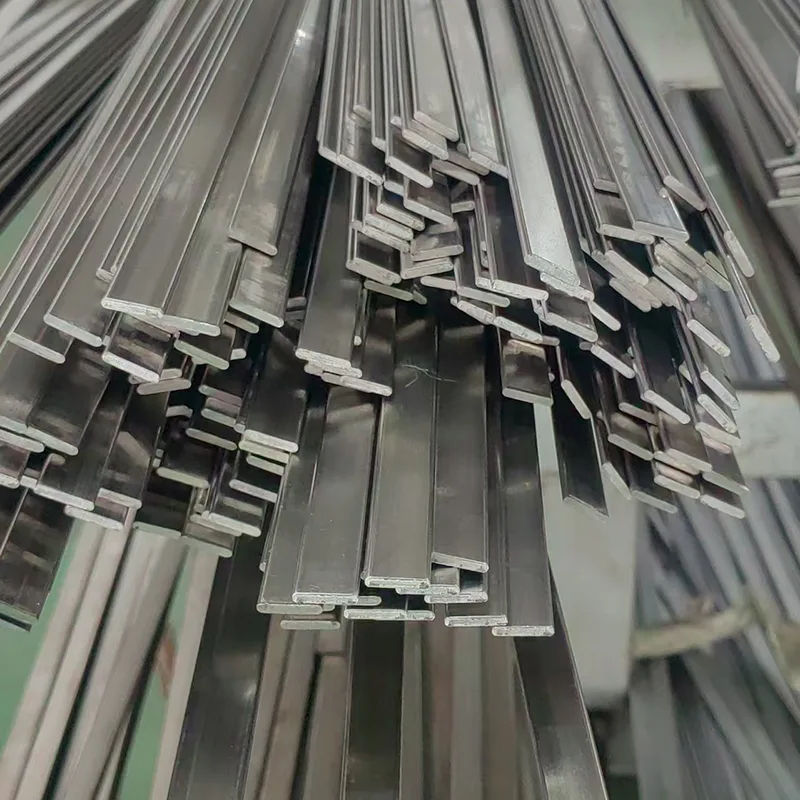
A Stainless Steel Divider Strip is used to separate and guide warp yarns so they maintain a defined path before entering the next stage of the weaving process. That sounds straightforward, but anyone working around high-speed looms knows how sensitive warp control really is. Even a slight mismatch in yarn spacing or a rough contact point can trigger breakage, fraying, entanglement, or unstable tension.
When the divider strip is properly designed, each yarn lane remains clearer and more orderly. This helps reduce contact between neighboring warp ends, limits unnecessary abrasion, and supports smoother yarn travel. The result is not only a cleaner running process but also a more stable foundation for fabric quality. Uniform warp management often shows up later as fewer visual defects, more consistent fabric structure, and less operator intervention during production.
In other words, this is not just an accessory. It is one of those quiet components that influences whether the machine runs calmly or constantly asks for attention.
Many buyers discover the importance of divider strips only after problems begin. On paper, products may look similar. In actual use, the differences become expensive. A strip with inconsistent spacing can disturb yarn arrangement. A poorly polished edge can increase hairiness. A weak body can deform over time. A part that does not fit the machine correctly can slow installation or force extra adjustments on the shop floor.
These are the pain points buyers usually mention when they want to replace existing parts or source from a new supplier:
Buyers are not simply looking for a low price. They are trying to avoid hidden production losses. One low-cost component that causes repeated stoppages can cost far more than a better-made part that runs reliably for longer.
Material choice matters because divider strips work in an environment defined by repeated contact, mechanical pressure, and long operating hours. Stainless steel is valued because it offers a balanced combination of strength, wear resistance, structural stability, and a clean surface finish. For weaving operations that cannot afford frequent part replacement, this combination makes practical sense.
A well-made Stainless Steel Divider Strip keeps its shape better during long-term use, resists surface damage more effectively than lower-grade alternatives, and provides a more dependable base for precise yarn separation. It is also easier to trust in demanding production settings where the strip must continue performing across different warp densities and machine speeds.
| Feature | Why It Matters in Production |
|---|---|
| Wear resistance | Helps reduce frequent replacement and keeps performance more consistent over time |
| Stable structure | Maintains alignment accuracy and supports reliable warp separation |
| Smooth finish potential | Reduces yarn friction and lowers the risk of scratching or hairiness |
| Adaptability | Supports use across multiple weaving conditions and machine requirements |
When I look at divider strip quality from a buyer’s perspective, I focus less on generic product claims and more on functional details. A good purchasing decision usually comes down to how well the part performs under realistic factory conditions.
Here are the points worth checking before ordering:
Buyers should also think beyond the first order. If the same product needs to be reordered later, can the supplier keep specifications stable? Can the product be adjusted for different machine models? Can the manufacturer explain how the part is intended to function instead of only sending a quotation? Those questions usually reveal whether the supplier understands the real production environment.
The value of a Stainless Steel Divider Strip becomes especially clear in applications where yarn separation directly affects running stability and finished appearance. It is useful in both standard and demanding weaving situations because warp organization matters across a wide range of fabric types.
Typical examples include:
Because warp behavior changes with yarn count, density, material, and machine setup, no single divider strip should be treated as a universal answer. That is why buyers often prefer suppliers who can provide tailored specifications rather than one-size-fits-all parts.
Buyers usually care about measurable outcomes, not just component descriptions. The table below shows how strip quality connects to everyday production experience.
| Quality Factor | Likely Production Impact |
|---|---|
| Rounded and smooth contact points | Lower risk of yarn damage and fewer friction-related issues |
| Accurate spacing | More orderly warp arrangement and improved running consistency |
| Reliable wear resistance | Longer service life and fewer interruptions for replacement |
| Proper machine compatibility | Faster installation and less adjustment time during setup |
| Stable manufacturing consistency | More predictable performance across repeated orders |
When buyers connect these details to their own production losses, the value becomes much clearer. A dependable Stainless Steel Divider Strip is not only about preserving one component. It is about protecting the rhythm of the entire weaving process.
Even a high-quality part loses value if it is difficult to install or inconvenient to maintain. Buyers usually prefer divider strips that can be fitted efficiently and kept in service without complicated procedures. Simple positioning, accurate dimensions, and a clean structural design all help reduce setup time.
For maintenance, routine inspection should focus on surface wear, deformation, and cleanliness. If the yarn path area is contaminated or damaged, separation quality may gradually decline before the operator fully notices it. Replacing the strip at the right time is smarter than waiting for fabric defects or frequent breaks to reveal the problem.
Good maintenance is not difficult, but it depends on choosing a product designed for long-term practical use in the first place.
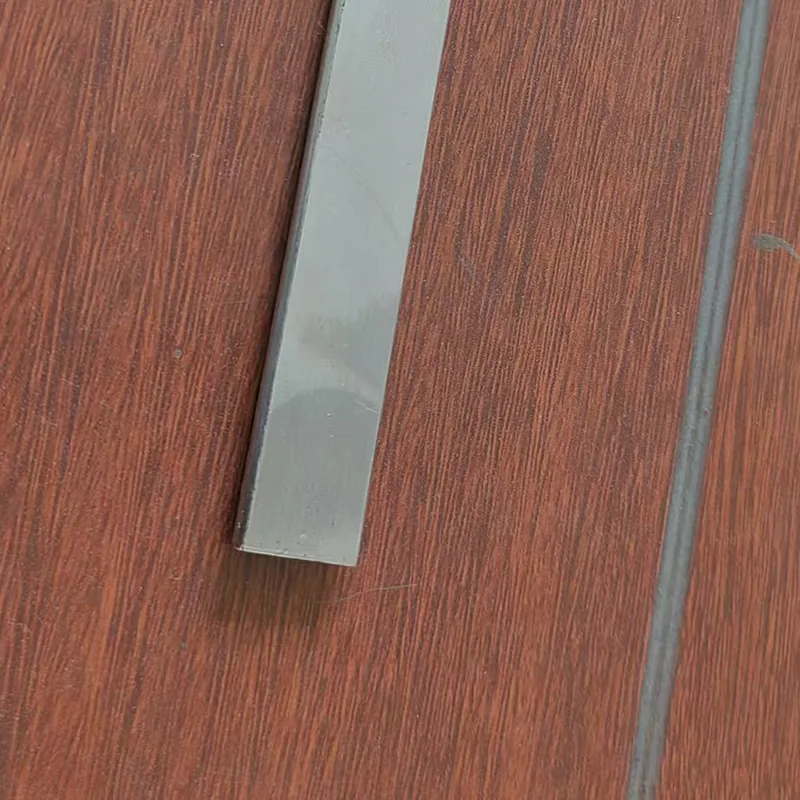
A buyer who sources textile machinery components regularly knows that manufacturing experience changes the entire buying experience. An experienced supplier does more than provide a catalog item. It understands fit, application, customization, dimensional control, and the real consequences of weak component quality on the weaving floor.
Changshu Changxin Textile Equipment Co., Ltd. focuses on textile equipment components and related separator solutions, and that specialization matters. Buyers who need a Stainless Steel Divider Strip are usually not searching for decoration or generic hardware. They want a part that suits weaving use, supports machine operation, and remains reliable over time.
This is where a knowledgeable manufacturer can make the process easier: by understanding customization needs, keeping product quality under control, and responding with practical support instead of vague sales language. For many buyers, that is the real difference between simply purchasing a part and solving a production problem.
What is the main purpose of a Stainless Steel Divider Strip?
Its main purpose is to separate and guide warp yarns in an orderly way so the weaving process remains more stable and less prone to friction, tangling, and uneven running.
Why do weaving factories prefer stainless steel for this part?
Stainless steel is often preferred because it offers good strength, durability, and wear resistance, which makes it suitable for long-term use in demanding textile environments.
Can a poor-quality divider strip affect fabric quality?
Yes. Rough surfaces, inaccurate spacing, or structural instability can disturb warp behavior, which may contribute to yarn damage, weaving defects, or inconsistent fabric results.
Is customization important when buying divider strips?
Very much so. Machine models, warp densities, and fabric types vary, so buyers often need dimensions or configurations tailored to their specific setup.
How can I judge whether a supplier is reliable?
Look at product consistency, application knowledge, responsiveness, customization ability, and whether the supplier understands the practical requirements of weaving production rather than only offering a low price.
If you are comparing suppliers, planning a replacement, or looking for a more reliable Stainless Steel Divider Strip for your textile equipment, this is the right time to choose a manufacturer that understands real production needs. Changshu Changxin Textile Equipment Co., Ltd. is committed to providing dependable textile machinery components with practical value, stable quality, and responsive service.
If you want product details, customization support, or a quotation based on your machine and application, contact us today and start a more confident sourcing conversation.